 Our Offices
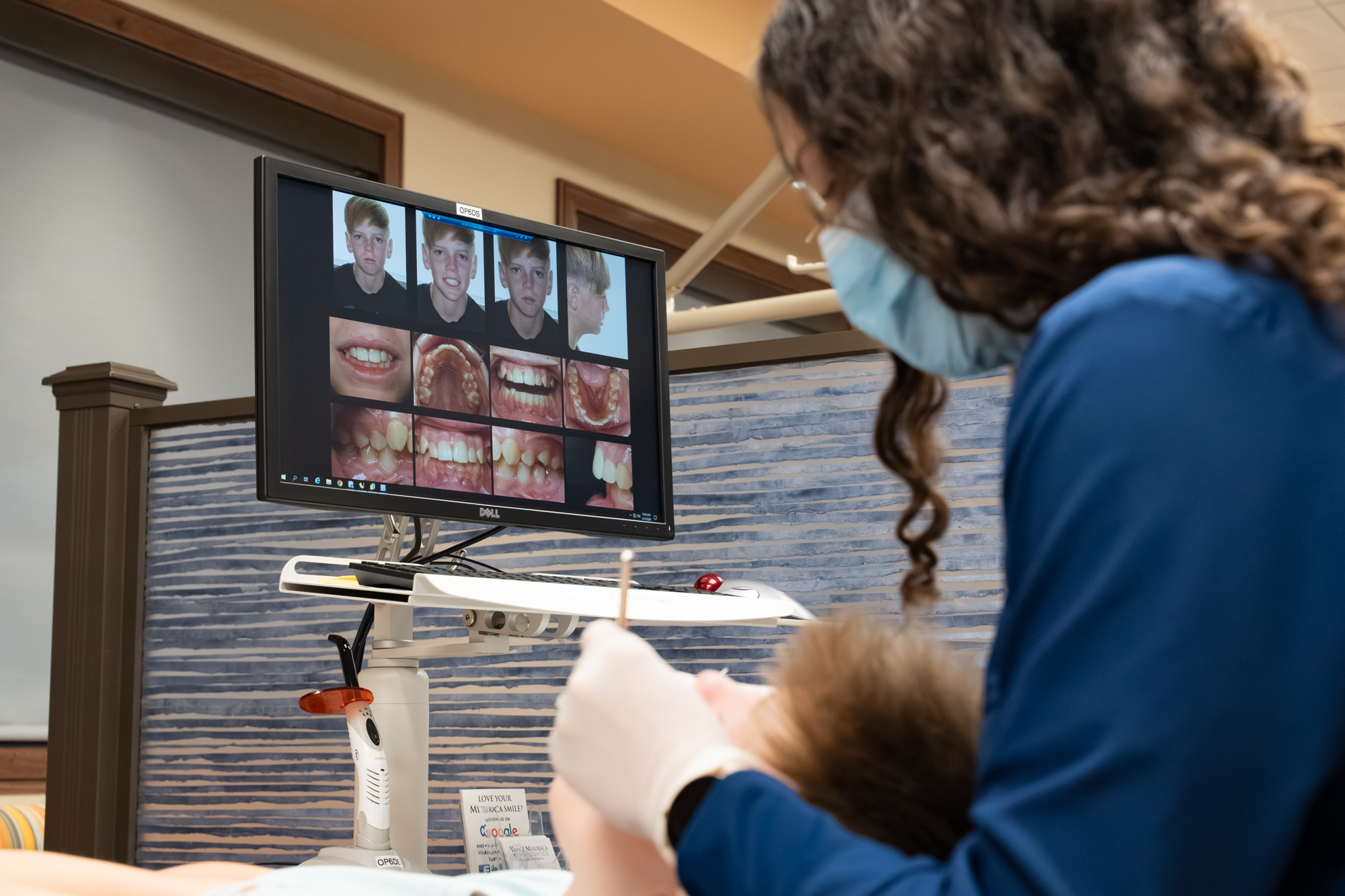
Straight teeth get most of the attention, but how your teeth fit together, your bite, matters just as much for your long-term health. When the upper and lower teeth do not meet the way they should, it can affect how you chew, speak, and even how evenly your teeth wear over the years. Here is a plain-language guide to the most common bite problems and how we correct them.
What is a “bad bite”
Orthodontists use the word malocclusion to describe a bite that does not line up correctly. It is extremely common, and most cases trace back to genetics, though habits like prolonged thumb sucking and early loss of baby teeth can play a role. The three you hear about most are overbite, underbite, and crossbite.
Overbite
An overbite is when the upper front teeth overlap too far over the lower front teeth. A small amount of overlap is normal and healthy. A deep overbite, though, can cause the lower teeth to wear down faster, may lead to jaw discomfort, and in more pronounced cases the lower teeth can bite into the roof of the mouth. Correcting it improves both function and the balance of your smile.
Underbite
An underbite is the reverse: the lower teeth sit in front of the upper teeth. It often relates to the jaw growing forward more than it should. Underbites can make chewing less efficient and put uneven strain on the jaw. Treating early, while the jaw is still growing, tends to make correction more straightforward.
Crossbite
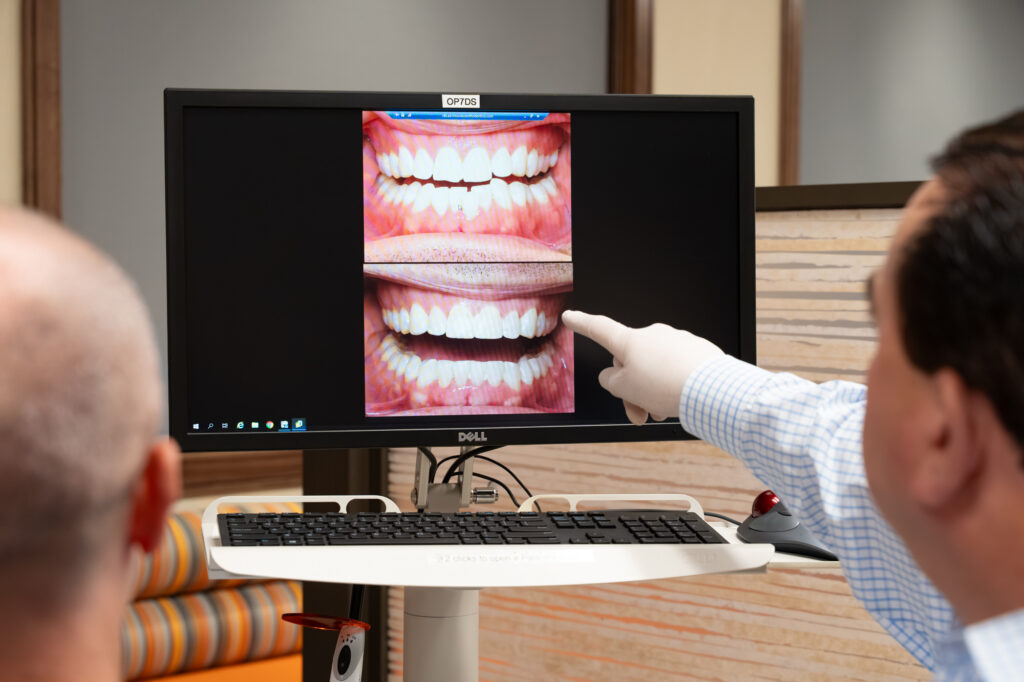
A crossbite happens when some upper teeth sit inside the lower teeth instead of outside them, either at the front or the sides of the mouth. Left uncorrected, a crossbite can wear teeth unevenly and, in growing children, can even nudge the jaw to develop off-center. This is one we especially like to catch early.
Why correcting your bite matters
A well-aligned bite is not just cosmetic. When teeth meet properly, they wear evenly, clean more easily, and put less strain on the jaw joints. Correcting these issues can reduce the risk of long-term dental problems down the road. Depending on the case, we treat bite problems with braces, clear aligners, or growth-guiding appliances, sometimes in combination. You can see more examples on our overview of common orthodontic problems.
Dr. Vance Misuraca evaluates the full picture, alignment and bite together, and builds a plan around what your smile actually needs. You can learn more about Dr. Misuraca and the care we provide across the Baton Rouge area. If you are also weighing how you would like to straighten your teeth, our guide comparing Invisalign and braces is a natural next step.
Not sure whether your bite needs attention? The simplest answer is an evaluation. Schedule a free consultation at our Central, Denham Springs, or Prairieville office.
Frequently Asked Questions
What is the difference between an overbite and an underbite?
An overbite is when the upper front teeth overlap too far over the lower teeth. An underbite is the opposite, where the lower teeth sit in front of the upper teeth. Both affect how your teeth meet and function.
Do bite problems need to be treated, or are they just cosmetic?
They are more than cosmetic. An uneven bite can wear teeth down, strain the jaw joints, and make cleaning harder. Correcting it protects your long-term dental health as well as your smile.
Can adults fix an overbite or crossbite?
Yes. Many bite issues can be corrected in adulthood with braces or clear aligners. Some cases are simpler to treat during childhood while the jaw is still growing, but adults get excellent results too.
How do I know if I have a crossbite?
A crossbite means some upper teeth close inside the lower teeth rather than outside. It is not always obvious on your own, which is why an orthodontic evaluation is the best way to identify one and plan treatment.